

How to Stay Safe When You Travel as a Female
Updated: 8/21/2018 | August 21st, 2018
Kristin Addis from Be My Travel Muse
is our go to solo female travel expert and writes a guest column
featuring tips and advice. It’s an important topic I can’t adequately
cover, so I brought in an expert to share her advice. This month her
column is on safety tips since it’s been a common question among women
travelers.
One of the chief concerns for most would-be solo travelers is safety. Can I stay safe on my own? How can I convince my friends and family that I’ll be okay?
The good news is: yes, you will be safe on the road. It’s easier than
you think because you already have the skills you need — the same
methods you use to stay safe at home are relevant abroad as well.
Most
people are scared before taking off on their first solo adventure (or
in my case, 30th solo adventure). It’s easy to be nervous before heading
somewhere new. There are a lot of unknown factors (will you make
friends? will you be safe?) that you’ll turn over and over in your
brain.
But it’s all in your head. Your brain is creating
worst-case scenarios that aren’t likely to happen. I’ve found that
following a few simple rules is enough to keep me (and you) safe on the
road.
Safety Tip #1: Trust your gut instincts
There’s much to be said about the power of intuition. If something or someone gives you an uneasy vibe, there’s no shame in walking away or saying no. If your gut is telling you that something doesn’t feel right, listen to it. This sense naturally becomes more heightened over time as a solo traveler.
Some people thought I was crazy and even stupid to hitchhike through China,
but after years on the road, I trusted my intuition enough to sound the
alarm bells if something didn’t feel right. There were times, such as
late at night in Rome when I’ve been offered a ride and immediately said
no because I knew something was off. It’s surprising how much listening
to that little voice in the back of your mind can steer you in the
right direction.
Safety Tip #2: Don’t be afraid to say no
Don’t be afraid that you will disappoint people by only saying yes when it feels right. Your solo journey is about you and nobody else.
Sometimes
in bars and hostels, the group mentality to keep drinking and the
pressure to partake in yet another round of shots is present on a daily
basis.
Getting too intoxicated can lead to serious problems. Keep
it to a few drinks at most if you’re alone without anyone to look out
for you. I can’t tell you how long my list is of friends who have been
robbed in alleyways in Spain or mugged in an otherwise safe Berlin
because they became too intoxicated. It can happen easily, especially
when in party areas or with party people. For this and other personal
reasons, I have quit drinking alcohol completely,
at home and on the road, and that not only has kept me safer but also
led me to meeting people on my travels who are interested in things
other than partying, and that’s led to more enriching experiences
overall.
Safety Tip #3: Keep a dummy wallet and whistle
In order to keep your most important valuables safe, some travelers suggest using a dummy wallet,
which is a fake wallet that contains some canceled credit cards and a
little bit of cash. It’s enough to make a would-be thief think he’s
getting something worthwhile while keeping your real valuables well
hidden (like under the insole of your shoe).
Another important
tool is something that makes noise. A whistle has come in handy more
than once for me, especially when I remembered the tale of another solo female traveler
who once used it to ward off rabid monkeys in Indonesia. I did the very
same several months later when, in a split second, I remembered to use
my whistle as an angry monkey was lunging toward me. It goes to show
that you never know how useful something so small can be.
Safety Tip #4: Get advice from locals
Make full use of the platforms available online to understand what to look out for in the area you are traveling to, especially if it’s your very first time traveling solo in the area. There are many online communities such as TripAdvisor, Lonely Planet, and Facebook groups where updates are shared by locals, expats, and experts. I find asking safety questions on these platforms is sometimes more reliable than some travel information websites as they are much more current, though it wouldn’t hurt to research common scams and dangers in your destination on them. For Americans, that would be the Bureau of Consular Affairs.
Ask
employees at your hotel or guesthouse which scams to look out for. Find
out not only what you should see during your visit but also which areas
to avoid. Nobody knows this better than the people who live there
year-round. Finally, a reputable walking tour at the beginning of your
trip in a new city is not only a great way to have a proper introduction
to the area, but also an opportunity to ask questions get more safety
tips from your local guide.
Safety Tip #5: Dress appropriately

Dress like a local in order to blend in. By standing out, you risk more than just annoying catcalls. It’s a sad reality, but in some countries, women can’t dress as they please and need to cover up.
In
traditionally Muslim countries, for example, wearing shorts and tank
tops is not advisable and can be perceived as offensive. It’s best to at
least cover the shoulders and the knees. Do some research on what’s appropriate to wear before packing.
That
seems obvious, but it’s still all too common to see topless girls on
the beaches in Thailand, or super short shorts and crop tops in Malaysia
and Indonesia. In order to be respected, it’s important to respect the
locals’ customs and modesty levels.
Safety Tip #6: Don’t walk alone at night
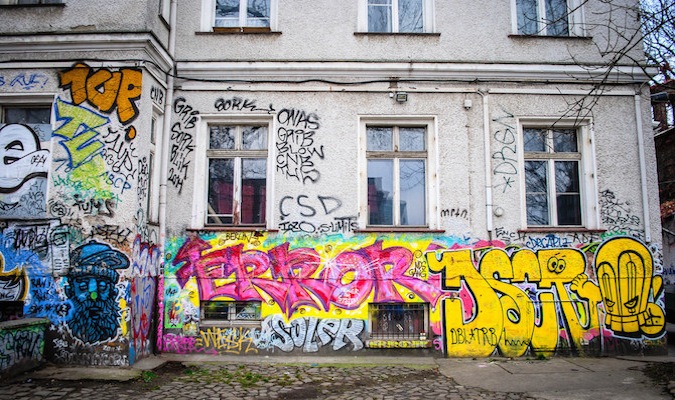
In some countries, it’s perfectly safe to walk alone at night. In others, it could be dangerous. Going out at night in groups or asking to be accompanied by someone else at your guesthouse or hotel is always smart.
Unfortunately I learned this the hard way after someone grabbed me in the dark
as I walked along a dirt path in Nepal. The local police and my
guesthouse owner were both bewildered, saying that kind of thing never
happens there. Well, it turns out that it does, and I made sure never to
be alone at night thereafter in Nepal, and now I make sure to not walk
alone late at night.
Safety Tip #7: Make copies of your important documents
Although
we always hope nothing will happen, it’s important to be prepared for a
worst case scenario. Make copies of your important documents, including
your passport, identity card, and insurance cards,
and keep them in all of the bags you carry. Keep electronic copies as
well, should the worst occur and you lose the paper copy along with the
physical document. Take photos of all of your important documents and
store them on your phone and laptop, in addition to uploading them to a
secure cloud server.
I also recommend taking photos of electronics
you are traveling with and uploading them to a cloud server. This will
help prove you owned the item in case you need to make a travel
insurance claim.
Safety Tip #8: Know the local emergency numbers
Look
up the local emergency number online before you depart or ask the staff
at the front desk wherever you’re staying. There are also apps, like TripWhistle,
that provide emergency numbers from all over the world. Of course, the
best-case scenario is that you never have to use it, but it’s always
smart to be prepared in case you do need it.
Safety Tip #9: Let friends know where you are
Make sure someone (a friend, family member, or fellow traveler) knows your itinerary and where you should be at any given time. Try not to go off the grid completely or for long periods of time, especially if you have worried parents back home. If you do change your plans — because it’s bound to happen sometime — don’t forget to let someone know. Internet cafes are generally easy to find, and many countries have inexpensive SIM cards ($20 or less) that will help you keep in touch if you have an unlocked phone. Besides, if you’re on the move, having Internet access for booking travel arrangements and finding directions is often a godsend.


Post a Comment